Few home upgrades give you back as much as solar does. Once the panels are installed on your roof, the sun quietly does the rest – trimming your bills month after month, year after year, with almost no effort on your part. But like any investment, getting it right matters. The equipment you choose, the way it’s installed, and the company you trust all shape how much you ultimately save. This guide breaks the whole process down in plain language.
Imagine watching your electricity meter slow down instead of racing ahead every month. For thousands of households across Pakistan that have already gone solar, that is simply everyday life. Rising grid tariffs, frequent outages, and abundant year-round sunshine have combined to make solar one of the best decisions a homeowner can make right now. In the sections below, we’ll cover how solar works, what it costs, how much you can save, and how to avoid the common pitfalls.
Understanding How Solar Works
The core idea behind solar is refreshingly simple. Panels on your roof capture sunlight and convert it into direct-current electricity. An inverter then transforms that into the alternating current your home actually uses. Any power you don’t use immediately is either stored in a battery for later or exported to the grid. A good installer designs this whole chain – panels, inverter, wiring, and optional battery – around your real usage patterns, so nothing is wasted and every component is sized correctly for your home.
On-Grid, Off-Grid or Hybrid?
There are three main types of solar systems, and choosing the right one is one of your most important decisions. On-grid systems are the most affordable and work alongside the utility, using net metering to offset your bills. Off-grid systems run completely independently with battery backup, ideal where the grid is unreliable or absent. Hybrid systems give you the best of both worlds – grid connection plus battery backup for outages. The right choice depends on your budget, your location, and how often your area loses power. That’s exactly why it pays to work with a Best solar company in pakistan that knows the local market inside out.
Quality Equipment Matters
Not all panels and inverters are created equal, and this is where many homeowners are tempted to cut corners. Tier-one panels and reputable inverters cost a little more upfront, but they deliver higher output, longer warranties, and far fewer headaches over the decades you’ll own them. Cheap components may save you a small amount today, only to underperform, degrade quickly, or fail early – wiping out the savings you were chasing. Investing in proven equipment is the single best way to protect your long-term return.
What About Maintenance?
One of the quiet joys of solar is how little upkeep it demands. For the most part, panels simply sit on your roof and work. An occasional cleaning to remove dust and debris keeps them operating at peak efficiency, and a periodic check of the inverter and connections catches any issue early. Many quality installers also offer remote monitoring, so you can see your system’s performance at a glance and spot any dip before it costs you. Compared to almost any other home investment, the maintenance burden is remarkably light. Quality and attention to detail matter in every home upgrade, much like the care you’d expect from quality service providers.
Installation Is Half the Battle
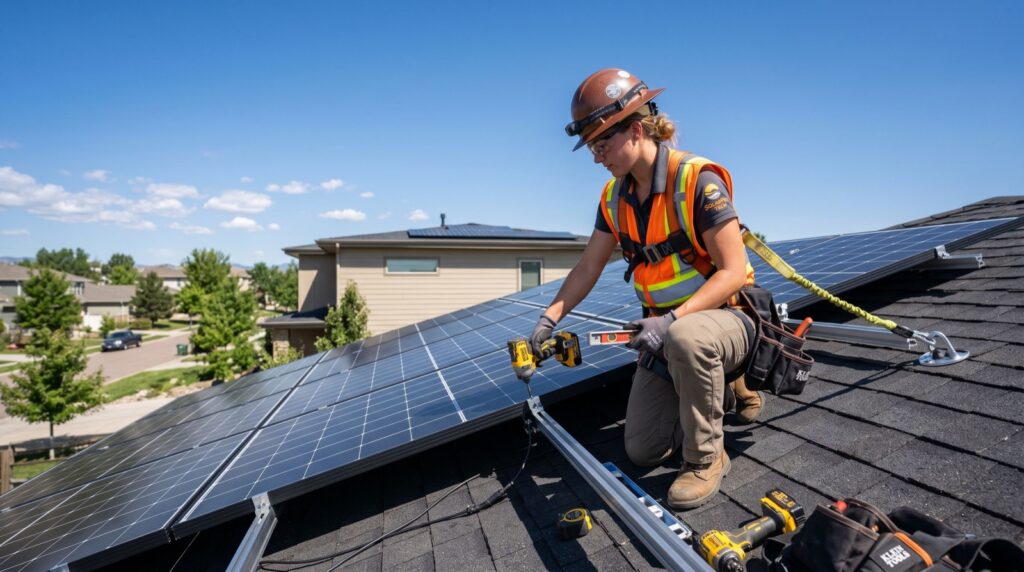
Even the finest panels will underperform if they are poorly installed. Correct orientation toward the sun, the right tilt angle, secure mounting that withstands wind and weather, and clean, safe wiring all directly affect how much energy you actually harvest. This is precisely why the company you hire matters as much as the hardware you buy. A skilled, experienced installer maximises your output, ensures your system is safe, and stands behind their work – turning good equipment into a genuinely great system.
Why Solar Makes Sense Right Now
Grid electricity keeps getting more expensive, while the cost of solar equipment has fallen dramatically over the last decade. That combination has completely flipped the math in favour of homeowners. A system that once took many years to pay for itself now does so far faster, and every fresh increase in tariffs only shortens that payback period further. On top of the savings, generating your own power gives you a level of independence and predictability that a rising monthly bill simply can’t offer. For most families, waiting only means paying more to the grid in the meantime. Start by identifying a Best Solar Company with strong reviews, solid warranties, and real after-sales support.
Key Takeaways
- Understanding How Solar Works: The core idea behind solar is refreshingly simple.
- On-Grid, Off-Grid or Hybrid?: There are three main types of solar systems, and choosing the right one is one of your most important decisions.
- Quality Equipment Matters: Not all panels and inverters are created equal, and this is where many homeowners are tempted to cut corners.
- What About Maintenance?: One of the quiet joys of solar is how little upkeep it demands.
- Installation Is Half the Battle: Even the finest panels will underperform if they are poorly installed.
- Why Solar Makes Sense Right Now: Grid electricity keeps getting more expensive, while the cost of solar equipment has fallen dramatically over the last decade.
The Bottom Line
Solar is no longer a gamble or an experiment; it’s a proven, practical upgrade for any home that wants lower bills and dependable power. Do your homework, choose quality over the cheapest quote, and lean on experienced professionals. Do that, and your roof will be working hard for you and your family for many years to come.
Going solar is one of the few decisions that keeps paying you back for decades. With the right system and the right team behind it, you can lower your bills dramatically, ride out the outages in comfort, and take real control of your household energy. As grid prices continue to climb, the value of that decision only grows.