Drive Thru Systems in 2026: The Complete Guide to Faster Lanes
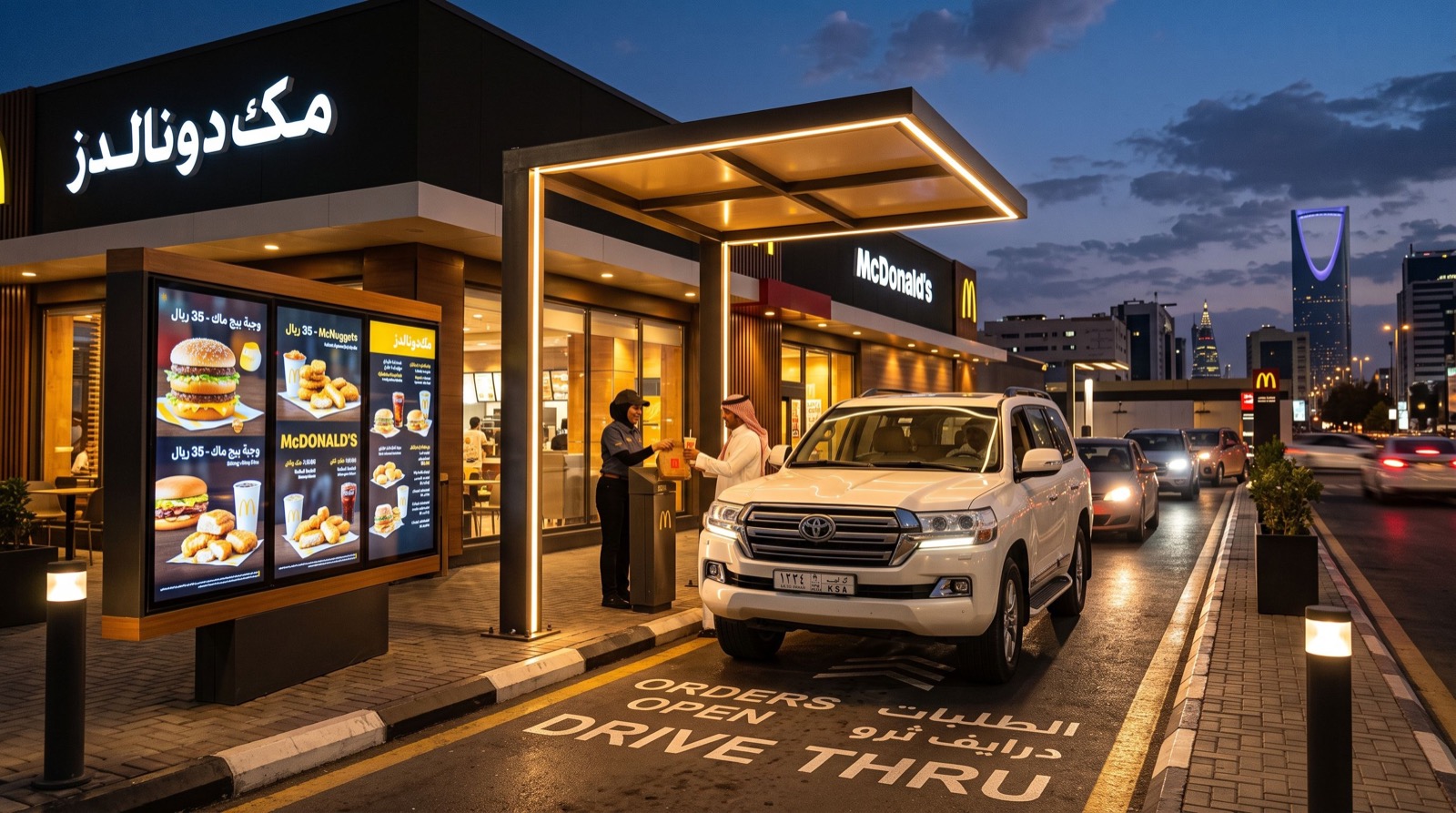
The drive-thru lane is where quick-service brands win or lose customers. A slow, confusing lane sends cars away; a smooth one builds loyalty. In 2026, modern drive thru systems combine smart ordering, clear audio, and live analytics to move more cars in less time.
This guide breaks down how these systems work and what separates a good lane from a great one. The advice reflects real observations from busy quick-service sites, not vendor promises.
What Modern Drive Thru Systems Include
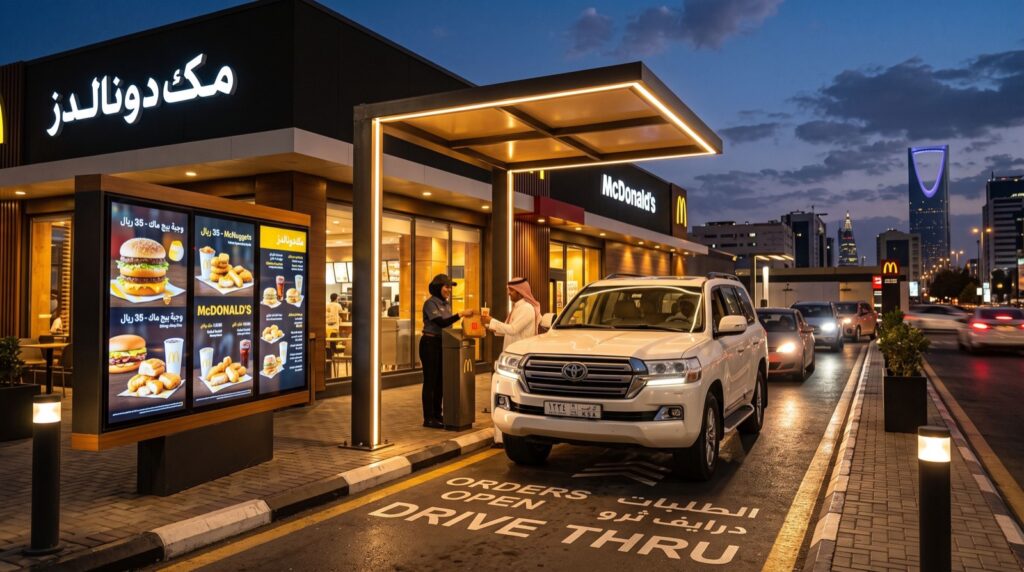
A drive-thru is no longer just a speaker and a window. Today it is a connected chain of hardware and software that guides each car from menu board to pickup.
Every part works together to shave seconds off the order. Those seconds add up to shorter queues and higher sales during the lunch rush.
The main components
- Digital menu boards: screens that update prices and offers instantly.
- Clear audio headsets: crisp two-way sound between staff and driver.
- Order confirmation displays: screens that show what the driver ordered.
- Vehicle detection sensors: track cars and measure lane speed.
- Timing analytics: reports that reveal where the lane slows down.
Why Fast Drive Thru Systems Boost Revenue
Speed is money in the lane. Every extra car served during peak hours lifts daily revenue. When the lane stalls, customers balk and drive on to a rival.
Accurate orders matter just as much. A clear headset and a confirmation screen cut mistakes, which reduces refunds and remakes. Fewer errors mean happier drivers and less waste.
Operators who invest in complete Drive Thru Systems gain both the hardware and the data to keep improving their lane times.
How Do You Measure Drive-Thru Performance?
You cannot improve what you do not measure. The best operators track a handful of clear metrics and review them weekly.
- Total lane time: from menu board to departure.
- Order accuracy: the share of correct orders.
- Cars per hour: throughput during peak periods.
- Queue length: how many cars wait at once.
- Wait at window: time spent paying and collecting.
Tracking these numbers reveals the true bottleneck. Often it is not the kitchen but the payment window, which a small staffing change can fix.
Comparing Single and Dual Lane Setups
The lane layout shapes your throughput ceiling. The table below compares common configurations.
| Setup | Best For | Main Benefit |
|---|---|---|
| Single lane | Smaller sites | Simple, low cost to run |
| Dual lane merge | High-traffic outlets | Doubles ordering capacity |
| Tandem lane | Peak-heavy sites | Serves two cars at once |
| Digital pre-order | App-driven brands | Speeds pickup for booked orders |
A tip that quietly lifts speed
Position the confirmation screen where the driver can read it while still speaking. When drivers see their order appear, they correct mistakes on the spot, which prevents slowdowns at the window later.
Digital Ordering and the Connected Lane
Mobile apps have reshaped the drive-thru. Many customers now order before they arrive, then simply collect. A connected lane recognises these pre-orders and routes those cars for a faster pickup.
This blend of app and lane demands tight integration. The kitchen must know a mobile order is inbound so the food is ready when the car reaches the window. When it works, the pickup feels almost instant.
Personalising the menu board
Smart menu boards can adapt to time of day and even weather. They push coffee in the morning and cold drinks on a hot afternoon. These small nudges lift the average order value without any extra staff effort.
Loyalty ties it together. When a returning customer is recognised, the board can suggest their usual order. That recognition speeds the decision and deepens the relationship over time.
Staffing the Lane for Peak Hours
Hardware alone cannot beat a rush. The right people in the right roles make the difference during peak periods. Use your timing data to schedule extra hands exactly when the lane fills.
Cross-train staff so anyone can cover the window, the headset, or the kitchen expo. A flexible team absorbs surprises far better than a rigid one. When one role slows, another steps in and the lane keeps flowing.
Security and Identity in Quick Service
Fast food chains increasingly protect back-office access and cash handling with biometrics. A Biometric Finger Print Scanner lets managers approve refunds or open safes without shared codes, which tightens accountability across shifts.
Industry research from the QSR Magazine consistently shows that lane speed ranks among the top drivers of customer satisfaction in quick service. Pair that insight with your own timing data and the priorities become clear.
When planning an upgrade, working with trusted professionals helps you match the right layout and hardware to your traffic pattern.
Frequently Asked Questions
How much can drive thru systems reduce wait times?
Results vary by site, but clear audio, confirmation screens, and timing analytics often trim total lane time noticeably. The biggest gains come from fixing the specific bottleneck your data reveals.
Do digital menu boards really increase sales?
Yes. Digital boards let you promote high-margin items and update offers instantly. They also improve readability, which helps drivers decide faster and keeps the lane moving.
Can I add a drive-thru system to an existing site?
In most cases, yes. Menu boards, headsets, and sensors can be retrofitted without major construction. A site survey confirms what your lane layout will support.
What causes most drive-thru delays?
The payment and pickup window is a frequent culprit, not the kitchen. Measuring window time separately usually exposes the real slowdown and points to a simple staffing fix.
Final Thoughts
Great drive thru systems blend speed, accuracy, and clear data into one seamless lane. In 2026, the brands that measure honestly and fix the true bottleneck will serve more cars and win more loyalty. Start with your timing numbers, upgrade the weakest link, and watch the queue shrink.
A faster lane is not luck. It is the result of the right hardware, clear audio, and a steady habit of measuring what matters.
Remember that the drive-thru is often the first impression a customer forms of your brand. A clean menu board, a friendly voice, and an order that arrives correct the first time all shape whether that driver returns tomorrow. Small, consistent wins in the lane compound into lasting loyalty and stronger daily sales throughout 2026 and beyond.