Storage for Wholesalers and Retailers: 2026 Inventory Guide
Smart storage for wholesalers and retailers is the difference between a smooth sales season and a stockroom nightmare. In Saudi Arabia’s fast-growing retail market, businesses juggle bulk imports, seasonal spikes, and tight shop-floor space. The right storage strategy keeps capital flowing, protects stock, and gets products to customers faster.
This guide focuses on the commercial side of storage. We look at how off-site units free up prime retail space, how to manage inventory across locations, and how to pick a facility that scales with your business.
Why Storage for Wholesalers and Retailers Drives Profit
Retail space is expensive, and every square meter should earn revenue. Using a shop’s back room as a warehouse wastes that value. Moving bulk stock to an off-site unit frees the floor for selling, which lifts sales per square meter.
Logistics efficiency underpins all of this. The World Bank’s Logistics Performance Index links reliable warehousing and distribution directly to competitiveness, and Saudi Arabia has climbed as it invests in supply-chain infrastructure. Dedicated Storage for Wholesalers and Retailers plugs directly into that momentum by giving smaller businesses warehouse-grade space without the overhead of owning one.
The hidden costs of poor storage
- Damaged stock from overcrowded, unorganized rooms.
- Lost sales when staff cannot find inventory quickly.
- Dead capital tied up in unsellable, spoiled goods.
- Cramped shop floors that frustrate customers.
How Much Storage Space Do You Really Need?
Right-sizing matters. Pay for too much and you burn margin; pay for too little and stock spills into aisles. Start by mapping your inventory cycle across a full year, including peak seasons.
The table below offers a rough starting point for common retail profiles. Treat it as a planning aid, then refine with real stock data.
| Business type | Typical unit size | Best feature |
|---|---|---|
| Small boutique | 5-10 sqm | Flexible short terms |
| Electronics reseller | 10-20 sqm | Climate control |
| Fashion wholesaler | 20-50 sqm | Shelving and racks |
| Bulk importer | 50+ sqm | Loading-dock access |
Managing Inventory Across Shop and Store
Splitting stock between a shop and a unit works only with discipline. A shared inventory system that both your shop staff and storage team can see prevents double-selling and stockouts. Follow a clear replenishment routine.
- Set a minimum shelf level for each product line.
- Trigger a restock pull from the unit when stock drops.
- Log every movement in and out of the unit.
- Review slow movers monthly and clear dead stock.
- Scale your unit size up before each peak season.
For moving large volumes or fitting out a new outlet, lean on reputable service experts who handle commercial loads efficiently. A coordinated move keeps your sales channels open throughout the transition.
A practical margin-saving tip
Audit your stock every quarter against sales velocity. Clearing just a few lines of slow-moving inventory often releases enough space to downsize your unit by a tier, which trims your monthly cost without hurting sales.
Special Handling for High-Value Goods
Not all stock is equal. Resellers carrying phones, tablets, and gadgets need temperature-stable, secure conditions, since heat and humidity damage sensitive components. Pairing general warehousing with dedicated Storage for Electronics & Smart Devices protects your most valuable lines from the Saudi climate.
Security is equally vital for high-value stock. Look for facilities with controlled access, cameras, and individual unit alarms. Your insurance premiums often improve when the storage site meets strong security standards.
Rotation discipline protects value too. Electronics and fashion both age quickly, so a reseller who holds stock too long watches margin evaporate as newer models arrive. Keep high-value lines moving and store only what you can realistically sell within a season.
Document the condition of valuable stock on intake as well. A dated photo of each batch gives you proof for any insurance or warranty claim and settles disputes fast. Small records like these pay for themselves the first time something goes wrong.
Scaling With Your Business in 2026
The best storage partner grows with you. In 2026 the strongest facilities offer flexible month-to-month contracts, so you expand before a sales surge and contract afterward. This elasticity matches cost to demand far better than a fixed warehouse lease.
Ask about value-added services too. Some facilities now handle receiving, basic order picking, and dispatch, which lets a small retailer operate like a far larger one. Those services can become a genuine competitive edge.
Organizing a Unit for Fast Order Fulfilment
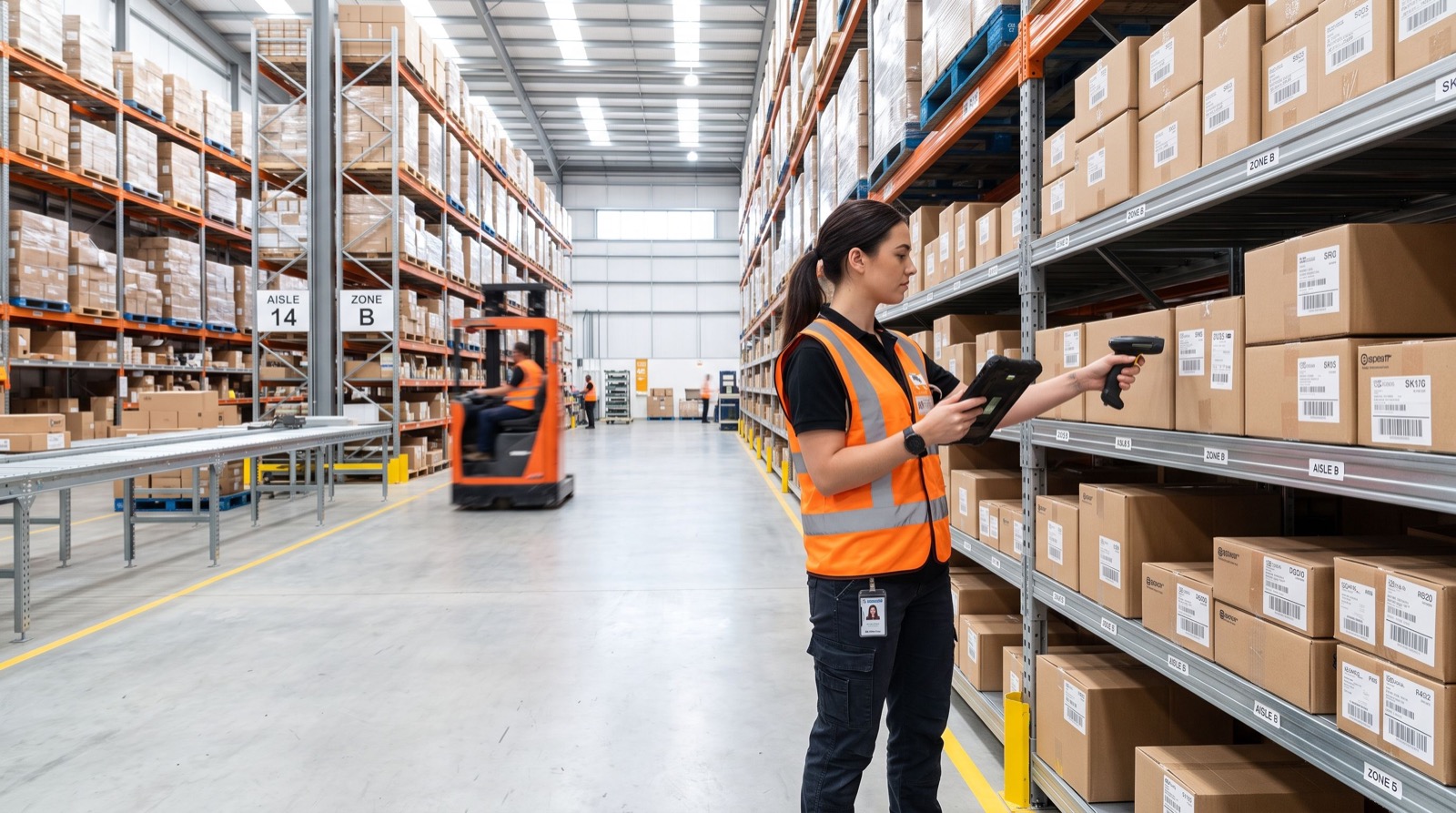
A storage unit is only an asset if you can find stock quickly. A disorganized unit slows every order and frustrates staff. A few warehouse principles turn a plain room into an efficient mini distribution center.
Start with clear zones and aisles. Keep fast-moving lines near the entrance and slow movers at the back. This simple layout cuts the walking distance for your most frequent picks and speeds up daily fulfilment.
Use vertical space with proper shelving rather than stacking boxes on the floor. Racking protects stock from crushing, improves airflow, and lets staff read labels at a glance. Label every shelf with a location code that matches your inventory system.
Warehouse habits that save hours
- Place best sellers nearest the door for quick picks.
- Use racking to exploit full ceiling height safely.
- Code every shelf and mirror it in your stock system.
- Keep a clear packing bench near the exit.
These habits scale as you grow. A retailer who organizes a small unit well in 2026 can move into a larger space later without changing the system. Good structure early saves painful reorganization down the line.
Frequently Asked Questions
What size storage unit does a small retailer need?
Most small retailers start with a 5 to 10 square meter unit. Map your yearly inventory cycle first, then choose a facility with flexible terms so you can resize as you grow.
How does off-site storage help retail profits?
It frees expensive shop space for selling rather than storage. That lifts revenue per square meter and keeps bulk stock organized, reducing damage and lost-sale costs.
Can I store electronics stock safely in Saudi Arabia?
Yes, but use a climate-controlled unit. Heat and humidity damage phones, tablets, and components, so sensitive electronics need stable temperature and secure access.
Is month-to-month storage better than a warehouse lease?
For most small and mid-size businesses, yes. Flexible terms let you scale space with demand and avoid the fixed cost and commitment of a long warehouse lease.
Conclusion
Effective storage for wholesalers and retailers protects stock, frees selling space, and keeps capital working. As Saudi retail accelerates in 2026, businesses that treat storage as a strategic tool rather than a dumping ground will win on speed and margin. Size your space well, manage inventory with discipline, and choose a partner that scales with you. Your stockroom should power growth, not hold it back.